.png)

.png)

.png)

.png)


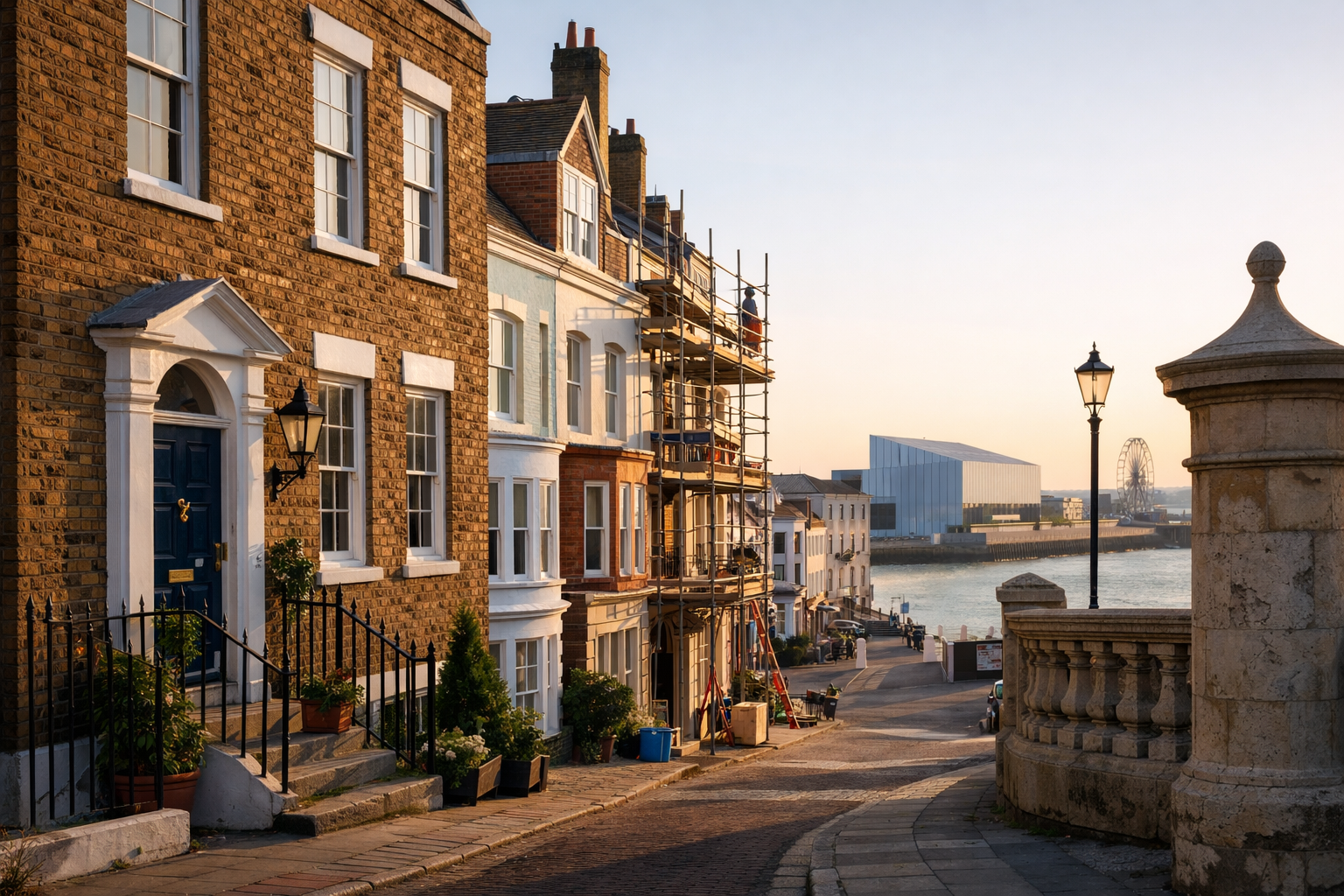
Margate is a town shaped as much by its buildings as by its beaches. From early coastal cottages to elegant Georgian townhouses and robust Victorian terraces, Margate’s architecture tells the story of a place constantly adapting to social change, tourism, and modern life.
Today, as the town experiences a cultural and economic revival, its historic buildings play a vital role — and careful renovation has become central to preserving Margate’s unique character.
🏡 Early Margate: Built for the Coast
Margate’s earliest buildings were shaped by necessity. As a small fishing settlement, construction focused on durability and protection from the elements rather than decoration.
Typical features included:
- Thick masonry walls to withstand coastal weather
- Timber structures using locally available materials
- Compact layouts suited to working maritime families
Many of these early buildings form the fabric of Margate’s Old Town, often hidden behind later façades or adapted over centuries — a reminder of how layers of history coexist within the town’s streets.
🏛 Georgian and Victorian Growth: Architecture of a Seaside Resort
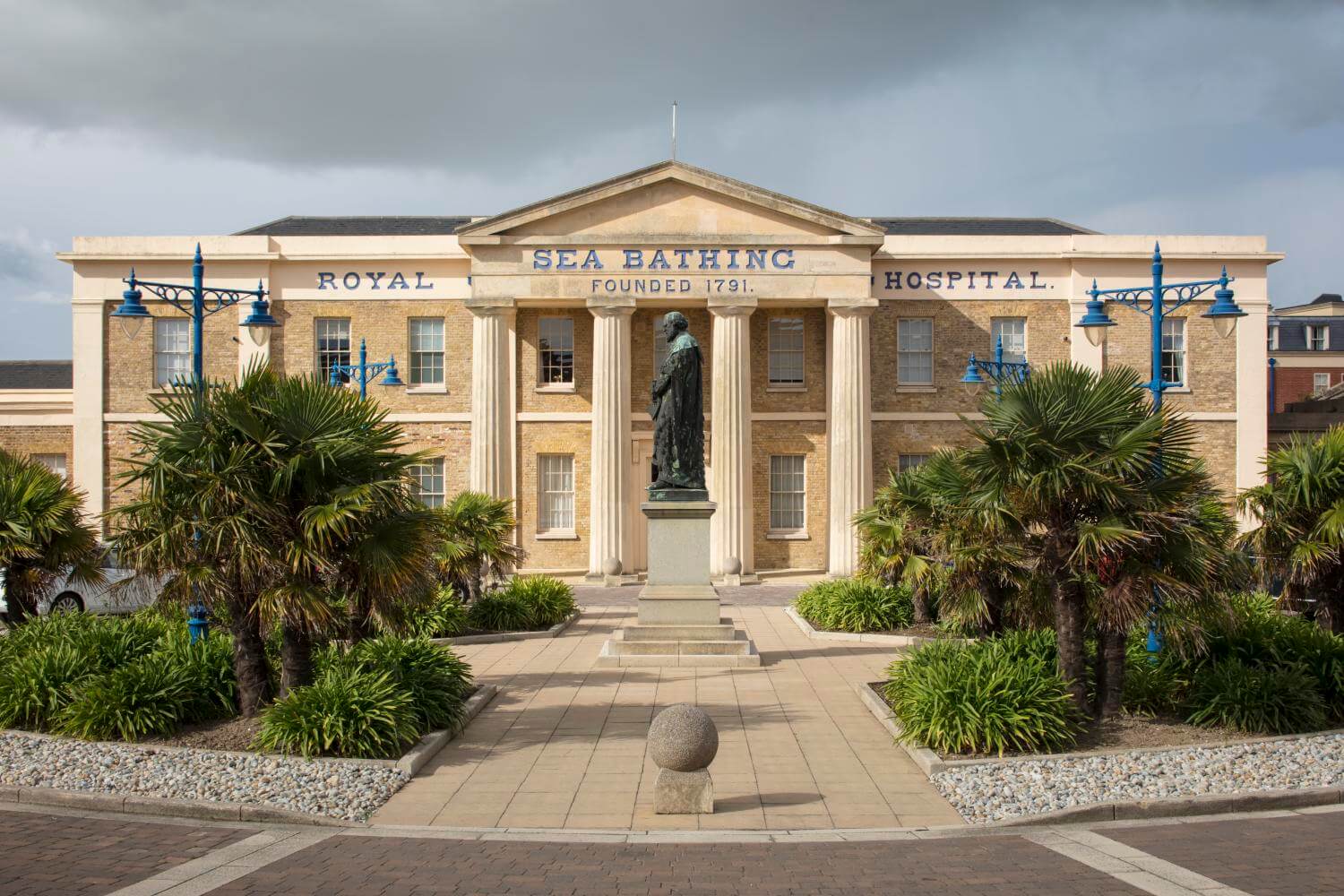
The 18th and 19th centuries marked a defining period in Margate’s development. As sea bathing became fashionable, demand grew for refined accommodation, prompting a wave of new construction.
This era introduced:
- Georgian townhouses with balanced proportions and sash windows
- Victorian terraces built for both residents and seasonal visitors
- Decorative brickwork, stucco façades, bay windows, and ornate iron detailing
The arrival of the railway in 1846 accelerated expansion, leading to whole streets built with architectural consistency — many of which still define Margate’s residential character today.
These period properties are prized not only for their appearance, but for the quality of their original craftsmanship and materials.
🎡 Early 20th Century: Scale, Leisure and Innovation
Margate’s golden age of tourism brought larger, more ambitious buildings. Hotels, theatres, and entertainment venues reshaped the seafront and town centre.
Construction during this period saw:
- Larger structural spans for ballrooms and performance spaces
- Early use of steel and concrete
- Purpose-built leisure architecture such as Dreamland and the Winter Gardens
This shift reflected Margate’s growing confidence — and its ambition to impress visitors from across the country.
⚠️ Post-War Changes and the Impact on Historic Buildings
Following World War II, changing travel habits led to a decline in traditional seaside tourism. Many large homes were subdivided, altered, or left under-maintained.
This period often resulted in:
- Loss of original architectural features
- Unsympathetic extensions and alterations
- Repairs that favoured speed over longevity
Despite this, many of Margate’s period properties survived precisely because of their solid construction — providing a strong foundation for future restoration.
🔨 A Modern Revival: Restoration Over Replacement
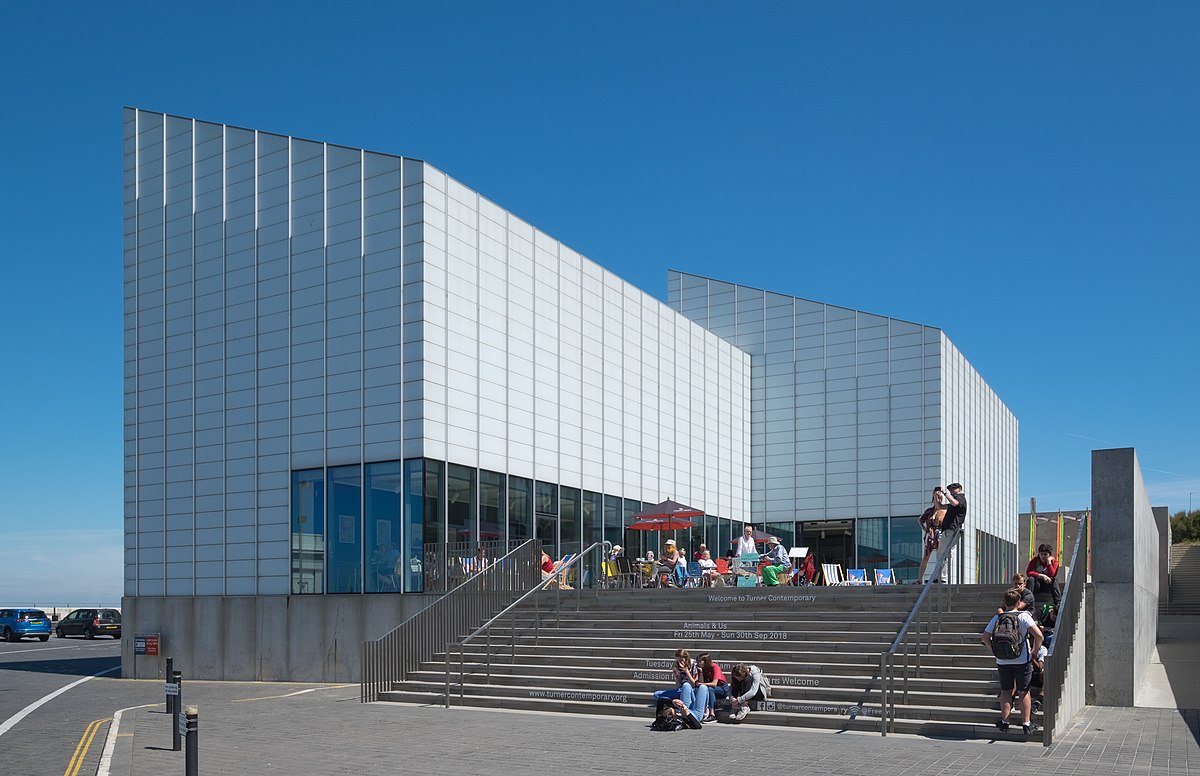
In recent decades, Margate has undergone a remarkable revival, driven by culture, creativity, and a renewed appreciation for historic places.
Today, construction in Margate is increasingly focused on:
- Sensitive renovation of period properties
- Repairing and reinstating original features such as sash windows, cornices, brickwork, and fireplaces
- Blending modern living standards with traditional building techniques
This shift reflects a wider understanding that preserving historic buildings is not just about aesthetics, but about sustainability, longevity, and respect for local identity.
🏗 Coast Projects Ltd: Preserving Margate’s Architectural Character
At Coast Projects Ltd, this philosophy sits at the heart of our work. As specialists in period property renovation, we understand that Margate’s buildings are more than structures — they are part of the town’s story.
Our approach is rooted in:
- Respect for traditional construction methods and materials
- Careful restoration rather than unnecessary replacement
- Enhancing homes for modern use while protecting their historic integrity
By working with Margate’s existing building fabric, we help ensure that the town’s architectural heritage continues to thrive — not as a museum piece, but as living, functional homes for generations to come.
🌊 Building Margate’s Future on Strong Foundations
Margate’s evolution is written in brick, timber, and stone. From its earliest coastal buildings to its grand Victorian streets, the town’s identity is inseparable from its architecture.
As Margate continues to grow and reinvent itself, the careful renovation of its period properties will remain essential — ensuring that progress is built on respect for the past.
If Historic Maritime Architecture is your thing click here to check out the harbour arm lighthouse.